Dr. Mona Dahiya - Laser Assisted Hatching in Noida, Delhi & Ghaziabad

Best laser assisted hatching doctor in Delhi NCR

Laser Assisted Hatching in Noida, Delhi & Ghaziabad

Laser assisted hatching is a technique where a thin beam of non-contact laser is used to make an opening in, or thin out, the shell (zona) of an embryo. Under the guidance of Dr. Mona Dahiya in Delhi NCR, laser assisted hatching increases the chances of hatching and thereby the chances of pregnancy. It is especially helpful for older women and after repeated IVF failures.

25+ years' experience
Non-contact laser
Laser only if indicated
Consultation online / in person
0+

Happy Families

0+

Years' Experience

0.0

Google Rating

0+

IVF Cycles

Registered Medical Practitioner

Medical Council Registration Numbers

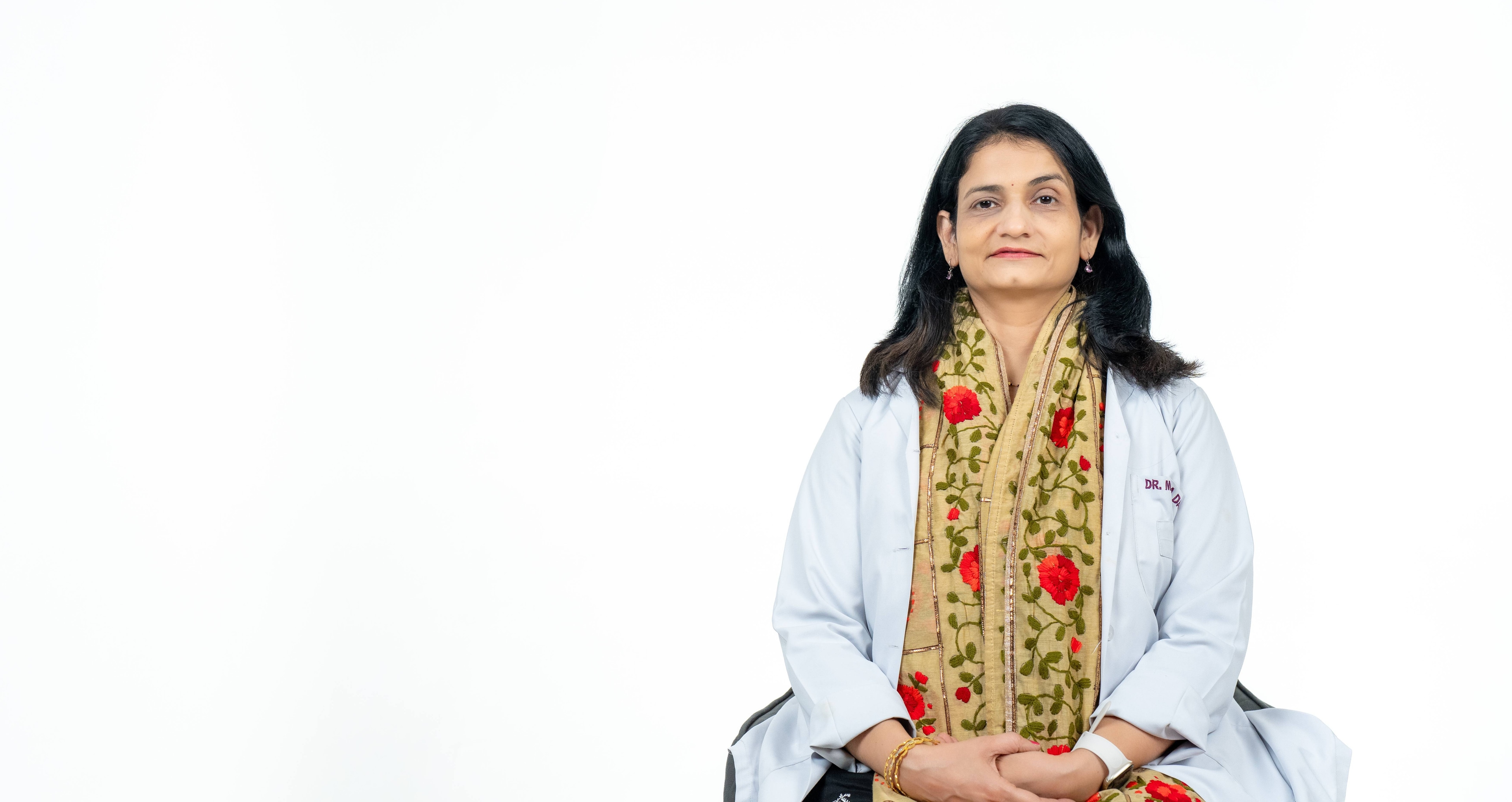
Dr. Mona Dahiya is a registered fertility doctor.

DMC

Delhi Medical Council

DMC-7795

Registration number with Delhi Medical Council
MCI

Medical Council of India

MCI-09/6820

Registration number with Medical Council of India

UPMC

Uttar Pradesh Medical Council

UPMC-110541

Registration number with Uttar Pradesh Medical Council

Video Insights

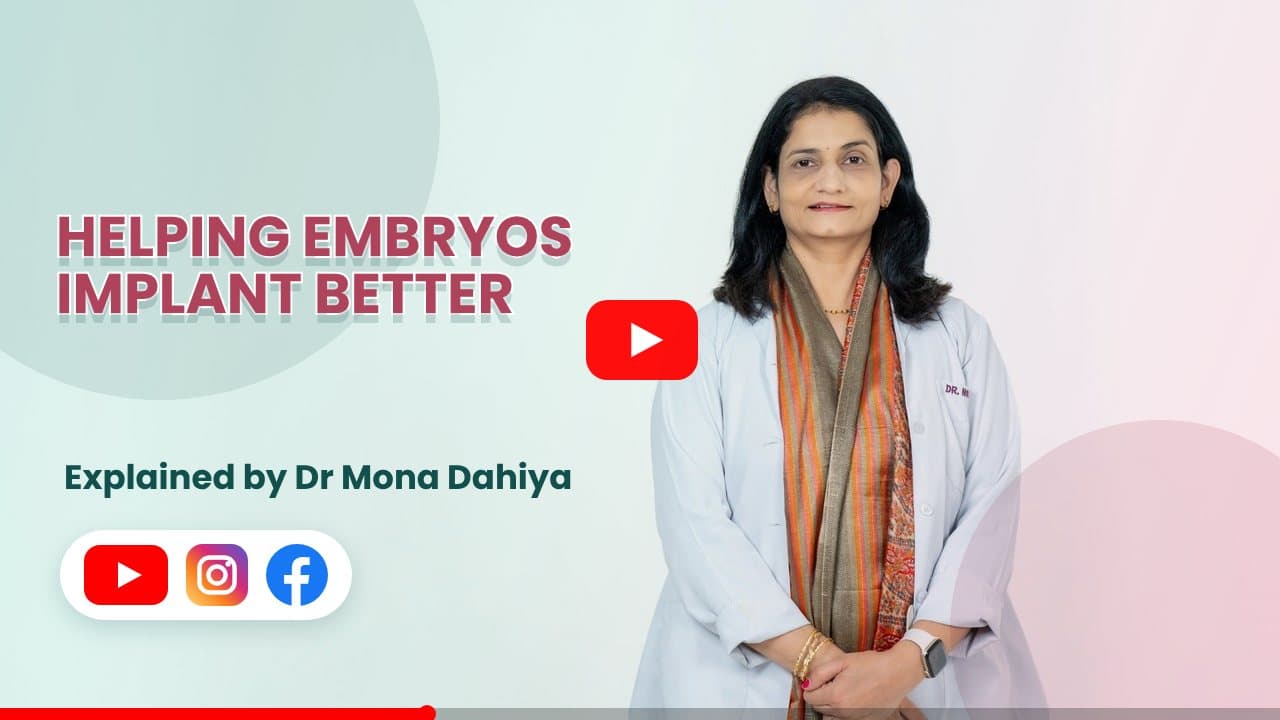
How Laser-Assisted Hatching Improves IVF Implantation

Dr. Mona Dahiya explaining how laser-assisted hatching helps embryos implant better

Also watch on YouTube and Instagram

About the procedure

Who Needs Laser Assisted Hatching?

1

If you are over 37 years of age

The zona gets thicker and less flexible as you get older, so the embryo needs assistance to hatch.
2

Failed implantations

You have had failed transfers with previous good-quality embryos. Read more on Recurrent Implantation Failure.
3

After frozen embryo transfer

The chemicals used during the freezing process can make the shell stiff.
4

Elevated FSH or low AMH

May alter the structure of the zona pellucida and make it thicker.
5

Thick zona pellucida (over 15 to 18 µm)

The zona can be measured under the microscope by your embryologist.
6

If doing preimplantation genetic testing (PGT)

The laser can make an opening in a Day 3 or Day 5 embryo so that the blastomeres can herniate out for biopsy.

Prior to laser assisted hatching

Diagnostic Work-up Before Laser Assisted Hatching

Laser assisted hatching should only be considered after checking the following:

Zona measurement

thickness of the zona is measured in micrometres from different axes using a phase-contrast microscope.

Embryo development

the embryo should have a healthy cell number, with intact cells and no multinucleated cells on Day 3 or Day 5.

Endometrium thickness

a trilaminar endometrium over 8 mm, synced to the hatching of the embryo, which occurs earlier than normal.

Uterine cavity

no fluid collection or pathology inside the uterine cavity, which can be diagnosed with Diagnostic Hysteroscopy.

Infection screening

of both male and female partners, as mandated by the Indian ART Act.

Procedure
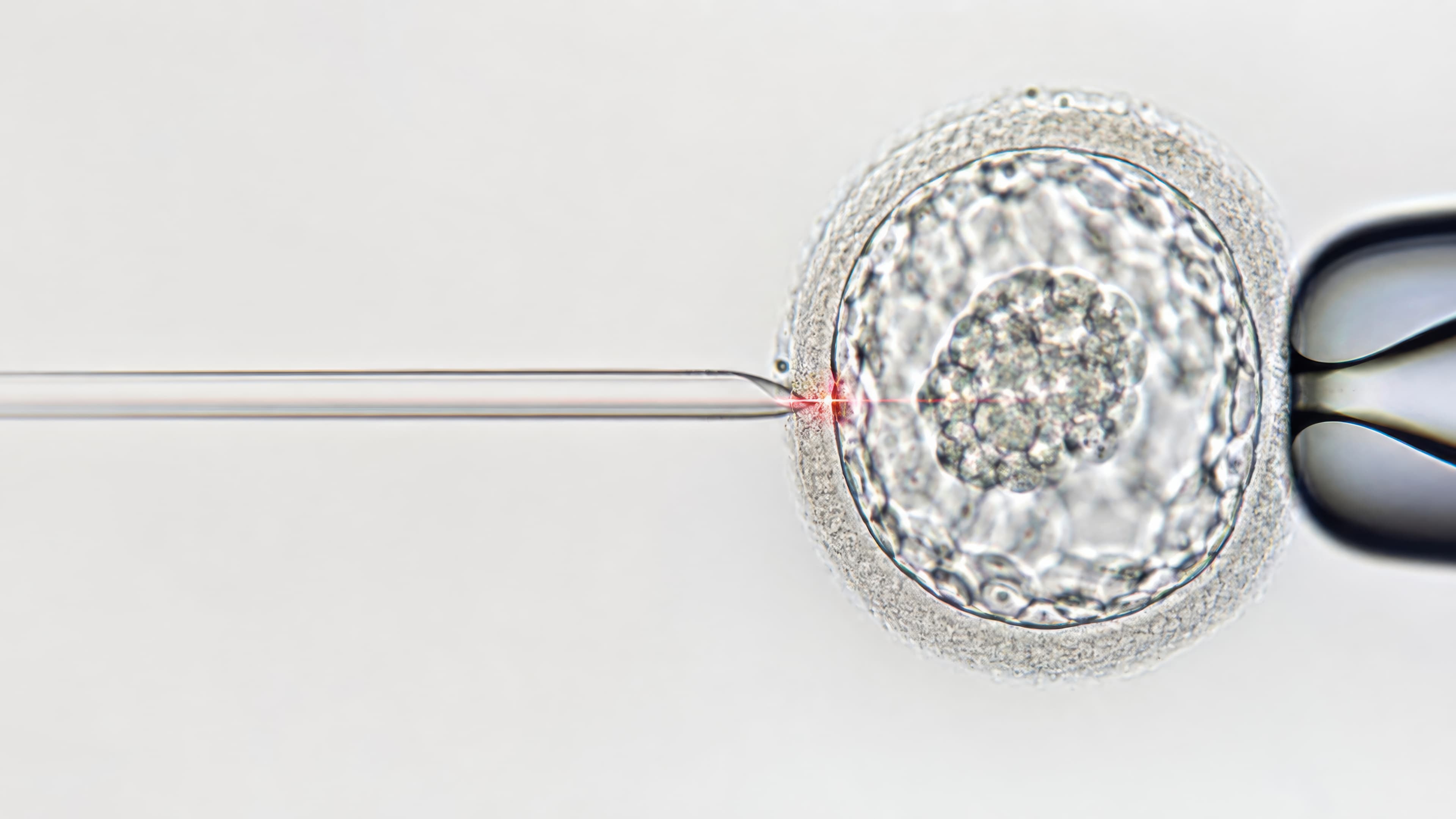
Steps Involved in Laser Assisted Hatching

1

Positioning the embryo

↳
The embryo is placed in a drop of media surrounded by oil on a sterile glass plate, under the microscope.
2

Laser software

↳
Imaging software sets the focus and the diameter of the target circle over the zona pellucida. Typically a 40x objective lens is used.
3

Exposing the embryo to the laser

↳
Pulses are delivered to the zona pellucida using set laser settings, typically around the edges of the zona, away from the cells.
↳
This either thins the zona by 50% to 70% or creates an opening in it.
4

Assessing embryo integrity

↳
The embryologist ensures the laser has been performed appropriately and the embryo is intact.
5

Incubation

↳
The embryo is washed and returned to the incubator for 2 to 4 hours.
6

Transfer

↳
Embryo transfer is performed through a soft catheter under ultrasound guidance into the prepared endometrium.
Laser Assisted Hatching on Embryo Zona Pellucida

About Dr. Mona Dahiya

Why Choose Dr. Mona Dahiya for Laser Assisted Hatching?

Experience

Over 25 years of performing micromanipulation procedures on embryos. Fellowship training at Singapore General Hospital, and has led lab protocols in over 25,000 IVF cycles.

Use of the latest technology

A computerised, non-contact laser is used, which is safer than chemical techniques. Laser assisted hatching was previously performed by chemical (Tyrode's acid) and mechanical means; the laser avoids exposure to toxic chemicals.

Evidence-based selection

Laser assisted hatching is only advised when indicated, never applied blindly to all embryos.
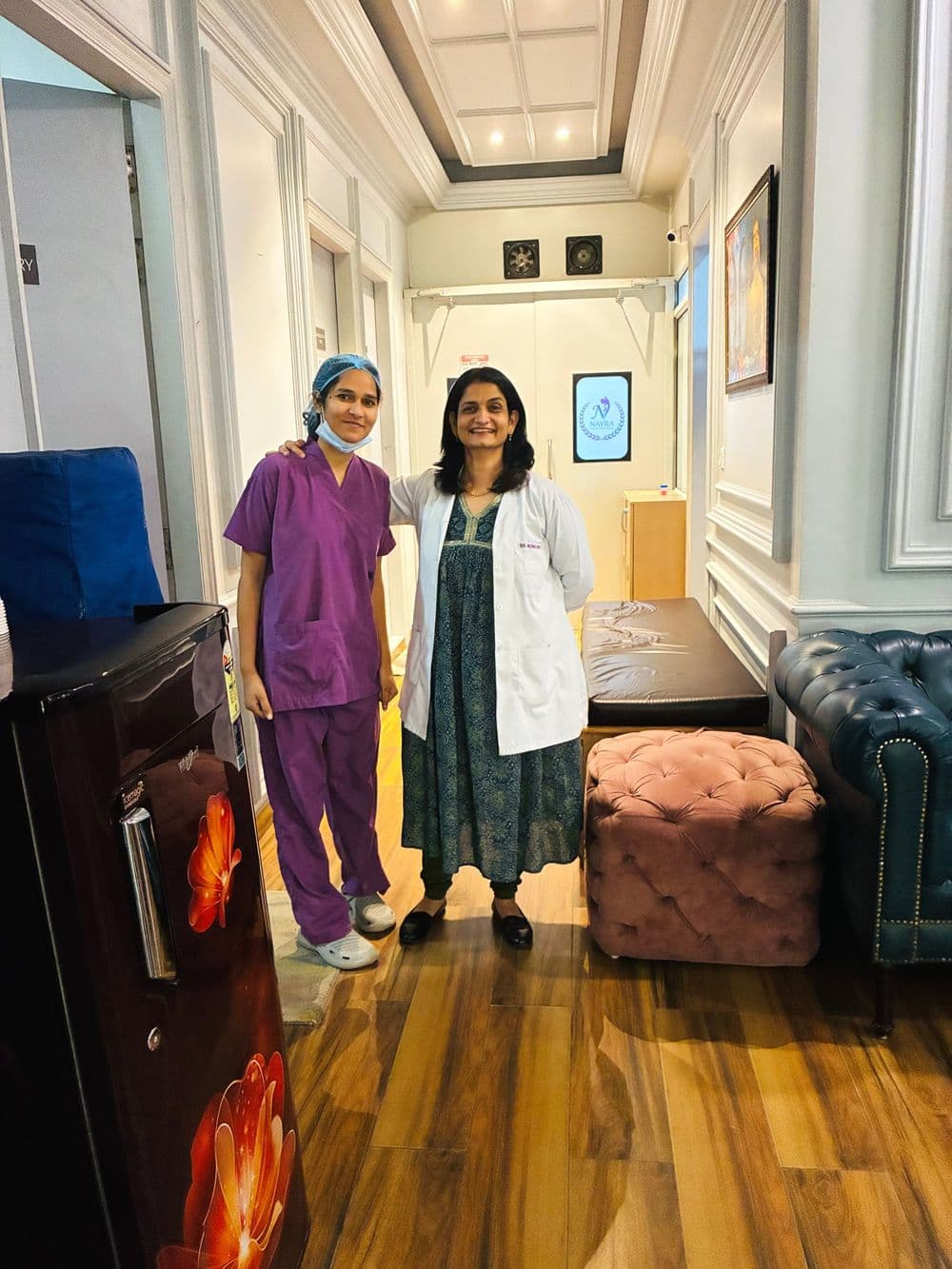
Dr. Mona Dahiya with a member of the embryology team, Noida

Patient reviews

What Patients Say About Laser-Assisted Hatching with Dr. Mona

Reviews from patients who mention Laser-Assisted Hatching. These are individual experiences in patients’ own words.

Dr. Mona Dahiya’s expertise was evident when she analyzed my baseline FSH and estradiol levels to assess egg quality. Her tailored approach, based on these results, guided our treatment perfectly. Thanks to her precision and care, our IVF journey succeeded. Highly recommend her for thorough, science-backed fertility care!

K

Kishan Kumar

Google patient review

We are feeling very positive after our online fertility consultation with doctor mona Dahiya.She is very polite and courteous towards her patients.We have consulted a lot of infertility physicians and doctor mona ji is the one that we found to be the most educated and experienced.

R

Rajesh Kumar

Google patient review

I can confidently say that Dr. Mona Dahiya is the best infertility specialist in India. Our journey to parenthood was long and challenging, but Dr. Dahiya’s expertise made all the difference. What sets her apart is not just her vast .. More 🙏1

S

Sandeep Kumar

Google patient review

Visit Dr. Mona

Clinic Locations

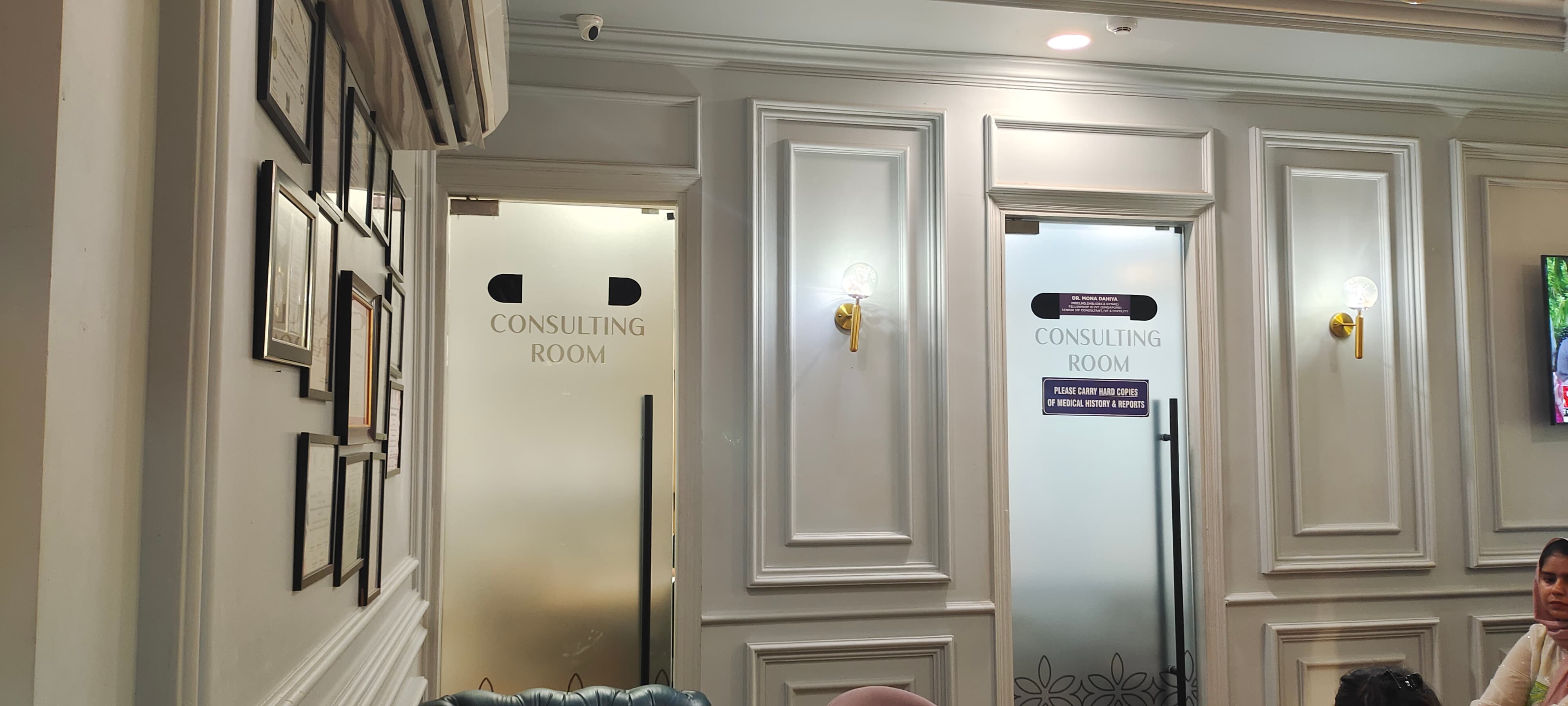
Dr. Mona Dahiya practises at three locations in Delhi NCR. You can also consult her online.
Cost

What Determines the Cost of Laser Assisted Hatching

Laser assisted hatching is an additional cost to IVF or frozen embryo transfer. The average cost of laser assisted hatching is between ₹18,000 and ₹28,000.

Laser calibration and materials

Includes calibration of the laser, laser time and materials used. Average cost is between ₹18,000 and ₹28,000.

Embryologist's time

Time spent by a senior embryologist performing laser assisted hatching as part of IVF Treatment.

Frozen embryo transfer

If you are undergoing a frozen transfer, you may require hormonal preparation of the endometrium.

FAQs

Frequently Asked Questions About Laser Assisted Hatching in Delhi NCR

Very rarely, if a non-contact laser is used by an experienced embryologist. The chance of harming an embryo is under 1%, as we use microsecond pulses on the outer shell of the embryo, far from the cells.
It may slightly increase the chances if a hole is opened in the shell and the embryo splits as it tries to come out. We prefer to thin the zona pellucida by 60% without making a hole, which does not increase the chances of monozygotic (identical) twins.
Vitrification causes cross-linking of proteins in the zona pellucida and makes it stiffer. Laser assisted hatching allows your embryo to break free from this thicker shell and implant.
At all three of our clinics in Noida, Ghaziabad and Delhi. Noida: 3rd Floor, K-06, above FirstCry, Baraula, Sector 49, Noida, Uttar Pradesh 201301. Ghaziabad: 2nd Floor, RDC, C-53A, near Bikanerwala, Sector 15, Sector 10, Raj Nagar, Ghaziabad, Uttar Pradesh 201002. Delhi: Building No. 41, First Floor, Ring Road, Block Q, Lajpat Nagar IV, Lajpat Nagar, New Delhi 110024.
The cost of laser assisted hatching ranges between ₹18,000 and ₹28,000 as part of your IVF or frozen embryo transfer.
No. There are 4 categories of women who benefit from laser assisted hatching: those over 37 years, with recurrent implantation failure, with a thick zona pellucida (over 15 µm) or having a frozen embryo transfer.
Laser assisted hatching is usually performed on Day 3 or Day 5, prior to transfer or before PGT.
No. Laser assisted hatching helps the embryo hatch by making a hole in its shell. A biopsy removes 4 to 6 blastomeres for PGT. We can, however, perform laser assisted hatching before PGT.
For women over 35 and those with recurrent implantation failure, the chance of implantation ranges from 60% to 70%. It does not increase implantation rates in women under 35 with good-quality embryos.
Next step

Book an In-Clinic or
Online Consultation

Book an in-clinic consultation with Dr. Mona Dahiya in Noida, Ghaziabad or Delhi, or schedule an online consultation to review your reports. Direct line: +91 92679 82924.

Indian Nationals
₹1,000

Online consultation

Foreign Patients
US$25

Online consultation

Delhi Building Number 41, First Floor, Ring Road, Block Q, Lajpat Nagar IV, Lajpat Nagar, New Delhi 110024
Noida 3rd Floor, K-06, above FirstCry, Baraula, Sector 49, Noida, Uttar Pradesh 201301
Ghaziabad 2nd Floor, RDC, C-53A, near Bikanerwala, Sector 15, Sector 10, Raj Nagar, Ghaziabad, Uttar Pradesh 201002
Request an appointment

🇮🇳+91
Newborn baby cradled gently in hands

Take your first step towards parenthood with Dr. Mona Dahiya